

Car accidents can create a whirlwind of stress and confusion, especially when injuries seem absent. Many may wonder if they can take legal action even if they did not sustain physical harm. Yes, it is possible to sue for a car accident even if no injuries occurred, focusing on property damage or other losses.
Understanding non-injury car accident claims is essential for anyone involved in such incidents. This type of claim may involve damage to the vehicle, lost wages due to missed work, or emotional distress caused by the accident. The legal landscape surrounding car accidents allows for recovery beyond just physical injuries.
Legal Fundamentals of Non-Injury Car Accidents
Defining Non-Injury Accidents
Non-injury car accidents refer to incidents where vehicles collide or cause damage, but none of the involved parties sustain physical injuries. These situations often involve:
- Property Damage: Damage to vehicles or other property is common. Individuals can claim compensation for repair costs or the diminished value of their vehicle.
- Emotional Distress: Although not always recognized, emotional distress claims may arise. Parties might assert that the accident caused anxiety or mental anguish.
Understanding these definitions is vital as it sets the premise for legal actions relevant to non-injury incidents.
Legal Grounds for Filing a Claim
To file a claim following a non-injury car accident, several legal principles come into play:
- Negligence: A key component is proving negligence. This involves demonstrating that another party failed to exercise reasonable care, leading to the accident.
- Property Damage Claims: Affected individuals can pursue compensation for physical damages to their vehicles. Documentation, such as repair estimates, is essential.
- Emotional Distress: In certain jurisdictions, emotional distress can be a valid claim. These claims usually require substantial proof, like therapy records or documented emotional impact.
Evidence and Documentation
Importance of Accident Documentation
Accurate documentation establishes a clear account of the incident. This includes taking notes on the accident’s specifics, such as location, time, and weather conditions.
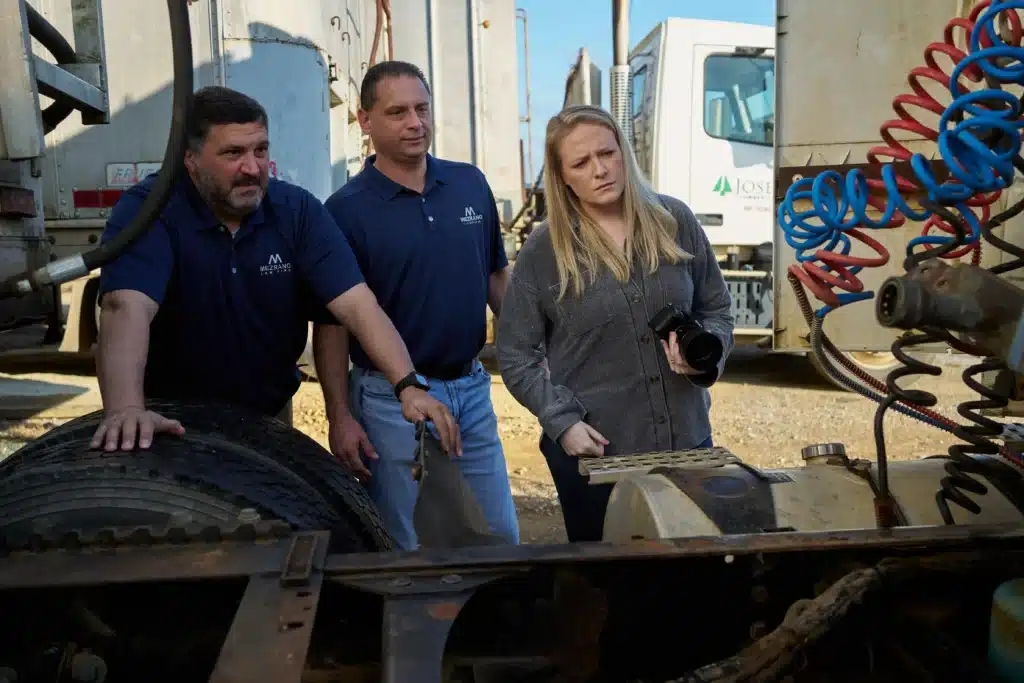
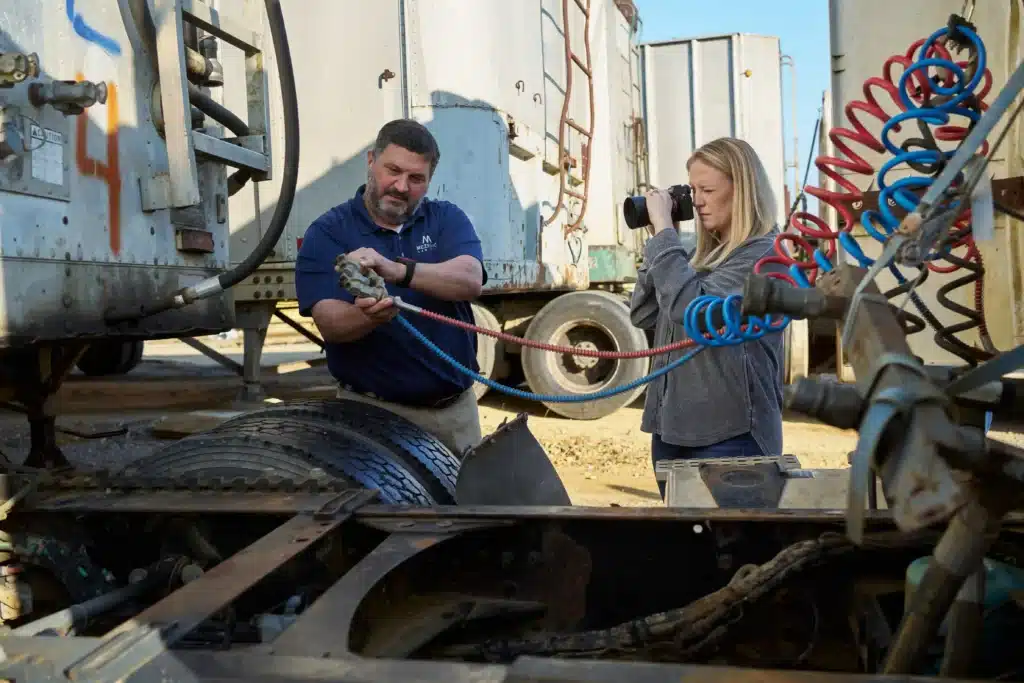
Photographs of the vehicles involved and surrounding scenery can provide visual context. It is important to capture any damage to vehicles and relevant traffic signals.
Additionally, obtaining witness statements can strengthen a claim. Witnesses may provide impartial accounts that corroborate the individual’s version of events.
Gathering Evidence and Police Reports
Gathering evidence should begin immediately after the accident. This includes collecting contact and insurance information from all parties involved. Documentation and evidence collection may seem tedious, but thoroughness can significantly affect the outcome of any potential claims.
Police reports are essential; they compile facts and witness statements. Requesting a copy of the report can be beneficial when filing claims. To request a police report, you might need to provide details such as case numbers and your information.
Seeking Compensation for Damages
When someone else causes damage to a vehicle, the affected party may seek compensation. This can involve various costs, including repair expenses, rental vehicle costs, and depreciation impacts. Understanding these factors is critical in pursuing a claim.
Calculating Repair Costs
The first step in seeking compensation is calculating the repair costs for the vehicle. This often requires obtaining estimates from certified mechanics or body shops. The estimate should include parts and labor, represented clearly. Common expenses include:
- Parts: Replacement or repair components
- Labor: Time involved in completing the repairs
It’s essential to gather multiple estimates to ensure a fair representation of the damage. Documentation, such as receipts and photographs, can strengthen the claim.
Rental Vehicle Costs and Depreciation
During the repair period, the vehicle owner may incur rental vehicle costs. Many insurance policies include coverage for rental cars, but it’s vital to verify this with the insurance provider. Key considerations include:
- Rental Rate: Daily fees for the rental vehicle
- Duration: How long the repairs are expected to take
Additionally, the vehicle may depreciate in value after an accident. This depreciation can impact future resale values. It’s important to document the vehicle’s pre-accident condition to assess the impact fully.
Role of Insurance Companies
Insurance companies play a significant role in the claims process. They investigate the accident to determine fault and validate claims. This can involve reviewing police reports, witness statements, and photographs. Factors that influence claims include:
- Fault Assessment: Establishes who is liable for the damages
- Policy Limits: Maximum amount the insurance covers
The claimant should communicate directly with the insurance adjuster. Clear records and documentation will help in negotiating a fair compensation amount. Understanding the nuances of the policy can also aid in maximizing the claim.
Legal Support and Actions
Navigating the aftermath of a car wreck can be complicated. Legal support can guide individuals through this process and help them secure rightful compensation. Understanding key aspects such as legal assistance and the statute of limitations is crucial for taking informed actions.
How Mezrano® Injury Lawyers Can Assist
Mezrano® Injury Lawyers offers comprehensive legal services specifically tailored to accident victims. Our team has experience navigating complex legal proceedings that often follow vehicular accidents. This includes collecting necessary evidence, negotiating with insurance companies, and representing clients in court if needed.
We focus on maximizing compensation for damages, including medical expenses, property damage, and lost wages. Our skilled Alabama car accident attorneys advocate aggressively on behalf of clients, aiming for fair settlements. If negotiations do not yield satisfactory results, they are prepared to pursue litigation, ensuring clients’ rights are fully protected.
Understanding the Statute of Limitations in Alabama
In Alabama, individuals have a specific timeframe to file a lawsuit for damages resulting from a car accident. The statute of limitations typically allows two years from the date of the accident to initiate legal action.
It is essential for victims to be aware of this timeline. Failing to file within this period may result in losing the right to seek compensation. Consulting legal professionals early can help ensure that all necessary steps are taken promptly. They can provide valuable insights into personal circumstances and help navigate the procedural requirements effectively.
If a child was injured in the crash, the settlement process changes. Learn more about the average settlement for a child in a car accident.